
The Anxiety Cycle in Kids: What Every Parent Should Know
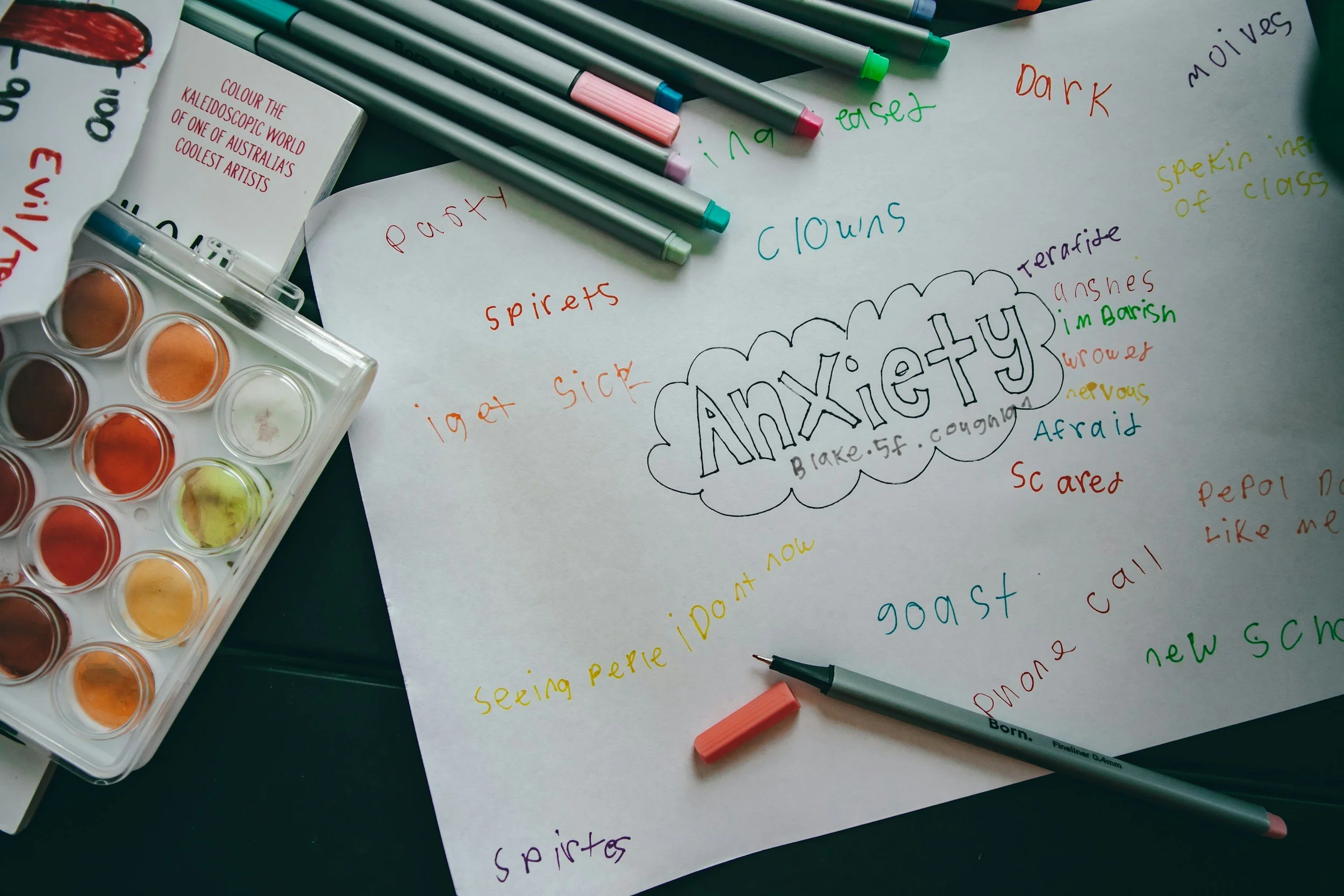
Understanding Anxiety in Children
Anxiety is not inherently bad. It is the brain’s alarm system.
In children, anxiety is often heightened because:
Their prefrontal cortex (logic center) is still developing
Their amygdala (threat detector) is highly active
They have limited coping experience
When parents understand this neurological process, responses shift from frustration to coaching.
The Anxiety Cycle Explained
The cycle typically looks like this:
Trigger → Catastrophic Thought → Physical Response → Avoidance → Relief → Reinforcement
For example:
Trigger: Presentation at school
Thought: “Everyone will laugh at me.”
Body: Racing heart, stomach ache
Behaviour: Refuses to go
Relief: Anxiety drops
Brain Learns: “Avoidance keeps me safe.”
Over time, the brain strengthens avoidance pathways.
Why Reassurance Sometimes Backfires
When a child repeatedly asks:
“Are you sure I’ll be okay?”
And receives constant reassurance, they experience temporary relief — but the brain doesn’t build tolerance.
The long-term goal is confidence, not comfort.
Signs of Anxiety in Calgary Children
At our SE Calgary clinic, we commonly see:
Perfectionism and meltdowns
Frequent physical complaints
School avoidance
Social withdrawal
Sleep disruption
Excessive reassurance seeking
Anxiety often disguises itself as irritability or control.
Evidence-Based Treatment for Child Anxiety in Calgary
We use approaches such as:
Cognitive Behavioural Therapy (CBT)
Exposure-based work
Parent coaching
Emotion regulation skill-building
Nervous system education
We help children learn:
Anxiety is uncomfortable but not dangerous
Brave behaviour grows confidence
Avoidance shrinks their world.
Supporting Parents
Parents are not causing the anxiety.
But they are central to changing the cycle.
In therapy, we coach parents to:
Respond calmly
Reduce reassurance traps
Encourage gradual exposure
Build distress tolerance
Child therapy in SE Calgary works best when the whole system is supported.