
The Identity Shift of Fatherhood and Why It Catches So Many Men Off Guard
Everyone asks about the baby. How much does he weigh? Is she sleeping? Are you breastfeeding? How is your partner doing? The questions come in waves, from family, from friends, from strangers in the grocery store. And they are good questions, important questions. But very few people think to ask the dad how he's doing.
Not because they don't care. Just because it rarely occurs to anyone that he might need to be asked.
This is the quiet reality of fatherhood for a lot of men. A life-changing transition that the world treats as straightforward. A profound identity shift that often goes completely unacknowledged. And a struggle that, if it surfaces at all, tends to get minimized by others and by the men themselves.
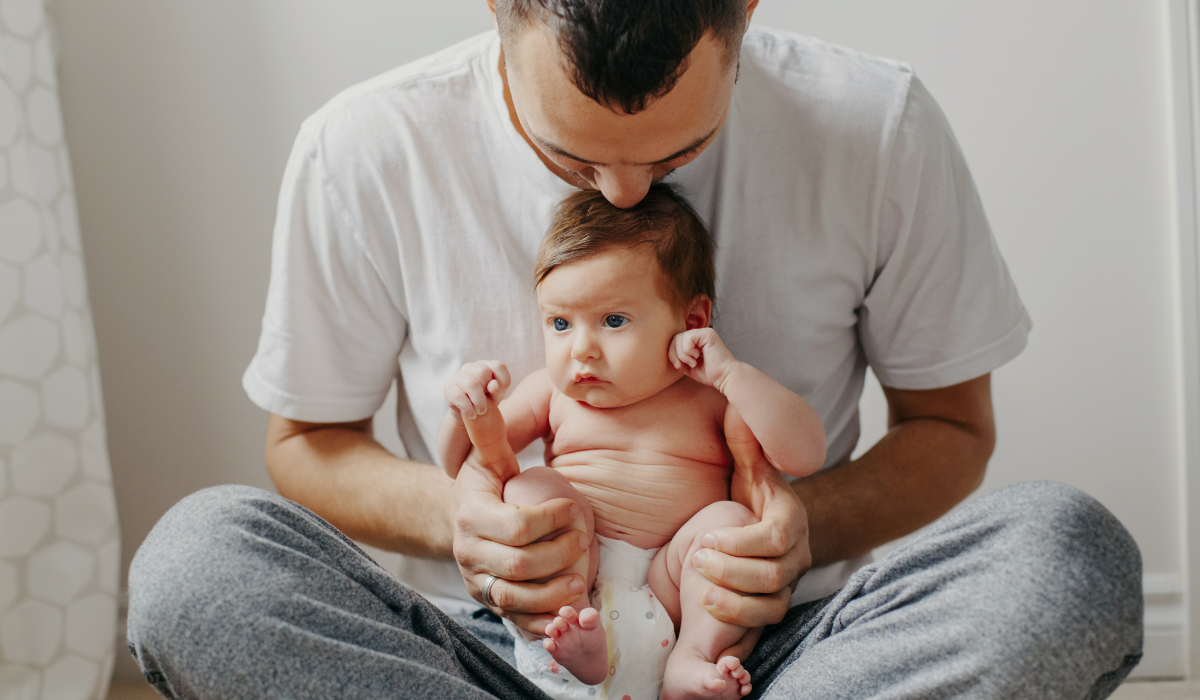
How Does Fatherhood Change a Man's Identity?
Becoming a father isn't just a role you add to your life. For many men, it fundamentally changes how they see themselves, what they value, what they fear, and what they feel.
Before becoming a dad, a man's sense of identity is usually built from a combination of things: his work, his friendships, his relationship, his interests, his independence. Fatherhood doesn't erase those things, but it can suddenly make them feel less certain, less accessible, or less like the whole picture.
Many men describe a version of the same experience: the moment their child arrives, something shifts. The person they were before, the one with a clear sense of who he was and where he fit, starts to feel slightly out of focus. Not in a dramatic way. Just in a quiet, persistent way that's hard to name and even harder to talk about.
Some of what drives this shift is practical. Sleep deprivation, a restructured relationship, less time for the things that used to restore you. But a lot of it is deeper than that. Fatherhood asks men to hold things they may never have had to hold before: vulnerability, fear, love of a magnitude they weren't prepared for, grief for the version of life that existed before. That's a lot to process, especially when the cultural expectation is to stay strong, stay useful, and keep going.
Why Do So Many Men Struggle in Silence With the Transition to Fatherhood?
Because the script for new dads is pretty narrow.
Be supportive. Be present. Be a provider. Hold it together while your partner recovers. Don't make it about you. These aren't bad values; they come from a real place of care, but they leave almost no room for a man to ask for help, or even to admit that he's finding it hard.
The conversations around maternal mental health have grown significantly in recent years, and that's genuinely important. But the flip side is that it can reinforce the idea that the parent who gives birth is the one who struggles, and everyone else is just there to support. Fathers get left out of that conversation almost entirely.
The result is that a lot of men move through the transition to fatherhood carrying anxiety, identity confusion, relationship strain, or a kind of grief they can't quite explain, and they do it quietly. Because asking for support feels like it's taking something away from their partner. Because admitting they're struggling feels like failing at the most important thing they've ever done. Because nobody asked.
What Are the Signs That a New Dad Might Be Struggling?
Men's mental health doesn't always look the way we expect it to. It doesn't always look like sadness. More often it looks like:
Increased irritability or short temper, especially at home
Withdrawing from the relationship or from activities they used to enjoy
Feeling disconnected from the baby in a way that brings guilt
A persistent sense of pressure, dread, or being trapped
Difficulty sleeping even when the baby is sleeping
Questioning their sense of purpose or identity in a way that feels unsettling
Throwing themselves into work as a way to feel competent and in control
These aren't signs of weakness or failure. They're signs that someone is carrying a lot without enough support. And they're worth paying attention to.
How Can Therapy Help With the Fatherhood Transition?
Therapy for new dads isn't about fixing something broken. It's about having a space where you can actually put down what you've been carrying without worrying about adding to someone else's load. For many men, that in itself is the thing they've been missing. Not advice. Not a strategy. Just a room where someone is asking how they're doing and genuinely wants to know the answer.
Individual therapy with a therapist who understands the fatherhood transition can help you make sense of the identity shift, process the things that have surprised you, and figure out what you actually need as a person, as a partner, as a dad. It can also be a place to work through the relationship changes that come with becoming parents, and to understand why connection with your partner might feel harder right now, even though you both love each other.
The transition to fatherhood can be a lot to navigate. Getting support along the way isn’t a last resort. It’s a smart way to care for yourself, your family, and the person you’re becoming.
Ready to talk? Book a complimentary connection call or book a session directly.
At Exhale Psychology Group, Ashley McCormack, MC, Registered Provisional Psychologist has a particular passion for supporting men navigating the transition to fatherhood. Drawing from graduate research on new fathers and evidence-based approaches including ACT, EFT, and EMDR, Ashley offers a warm, genuine space where dads can feel understood and supported — without having to pretend they're okay.